
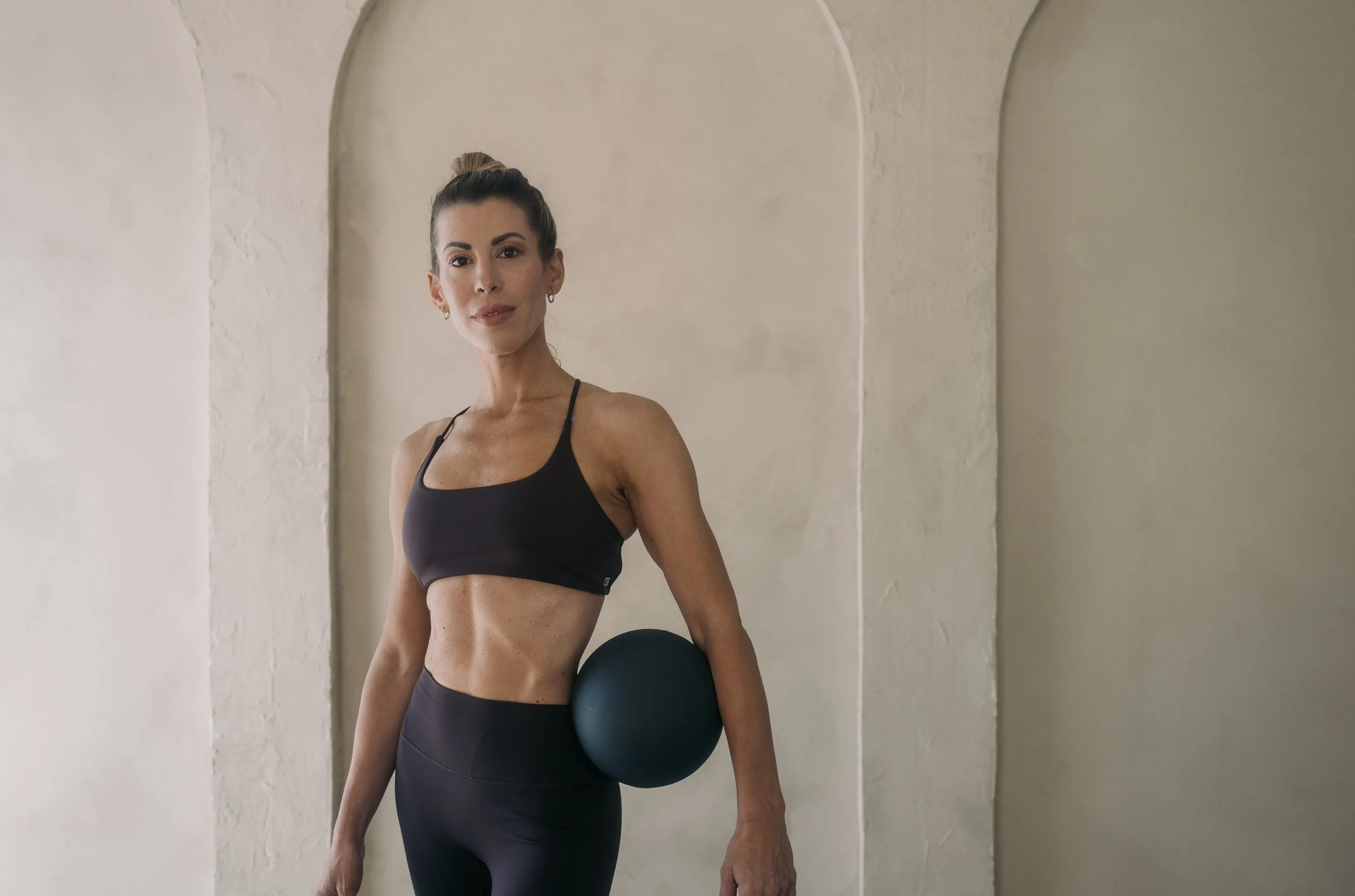
How I Program Strength and Pilates: A Guide for Instructors
Good programming is the difference between a workout and a program. Pilates educator and programmer Andrea Speir breaks down how she builds strength and Pilates programs: the weekly structure, the progression rules and the cueing that lands.
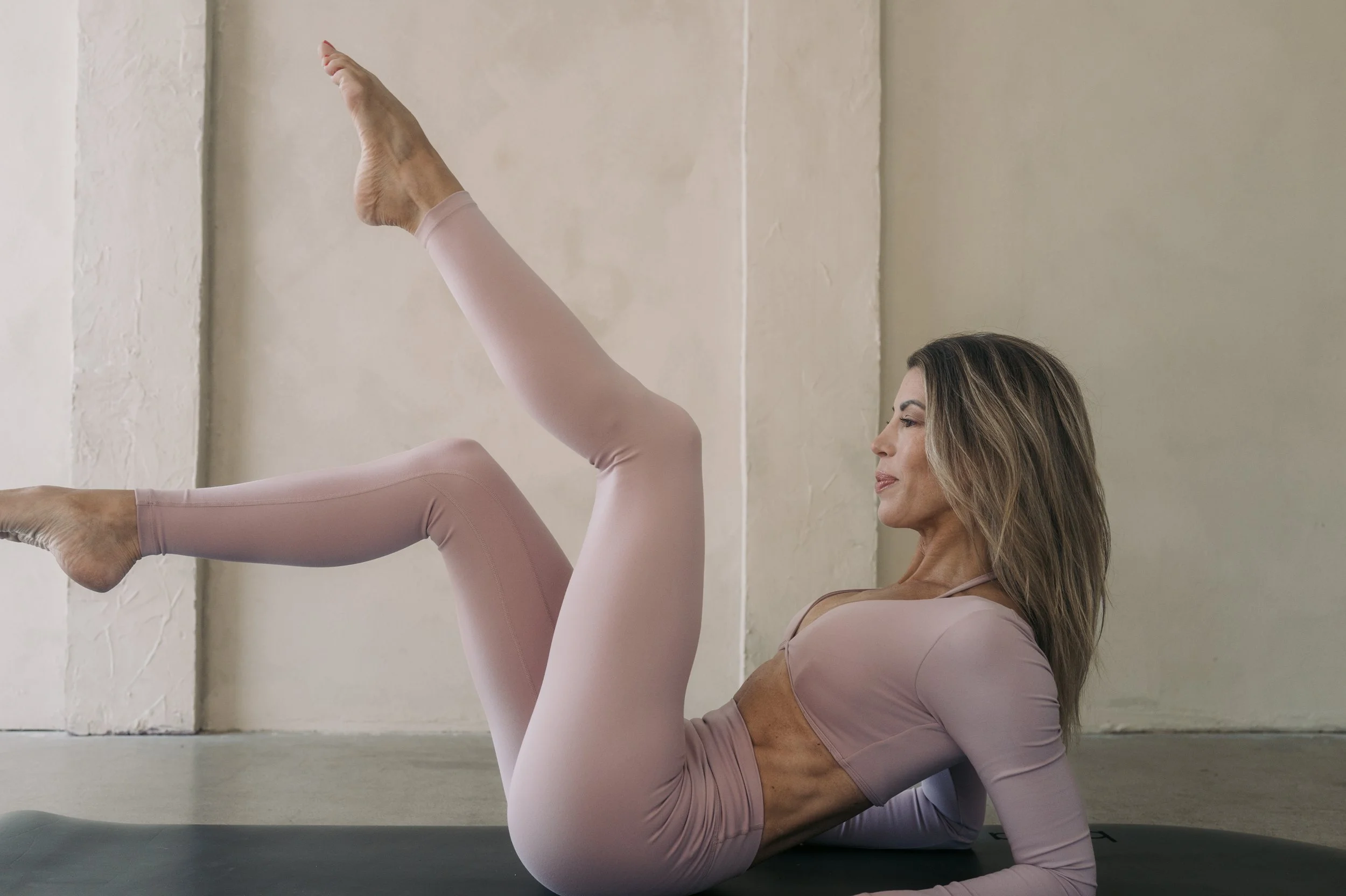
Why I'm Writing The Long Game: Strength, Pilates and Hormones, Explained Properly
The Long Game is my Substack, a weekly newsletter on strength, Pilates and hormones for women who want to feel strong for decades, minus the hype. Here's why I started writing it, and what you'll find there.
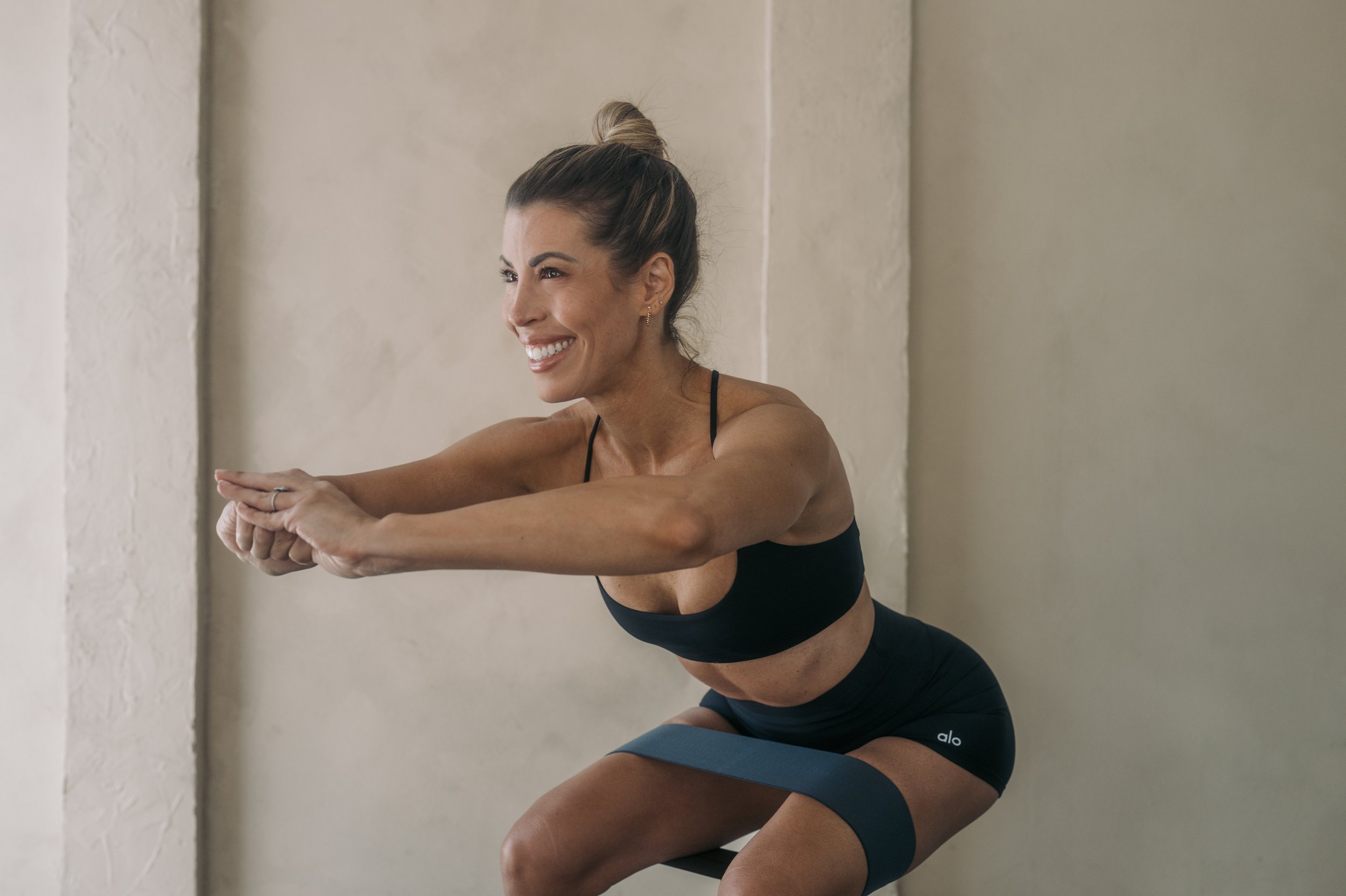
Unique Gifts for Women Who Love Fitness and Wellness (That She'll Actually Use)
The best gift for a woman who loves fitness and wellness gives her time that's truly hers, and a plan that makes it count. Here are unique gift ideas she'll actually use, starting with the Merus gift card.
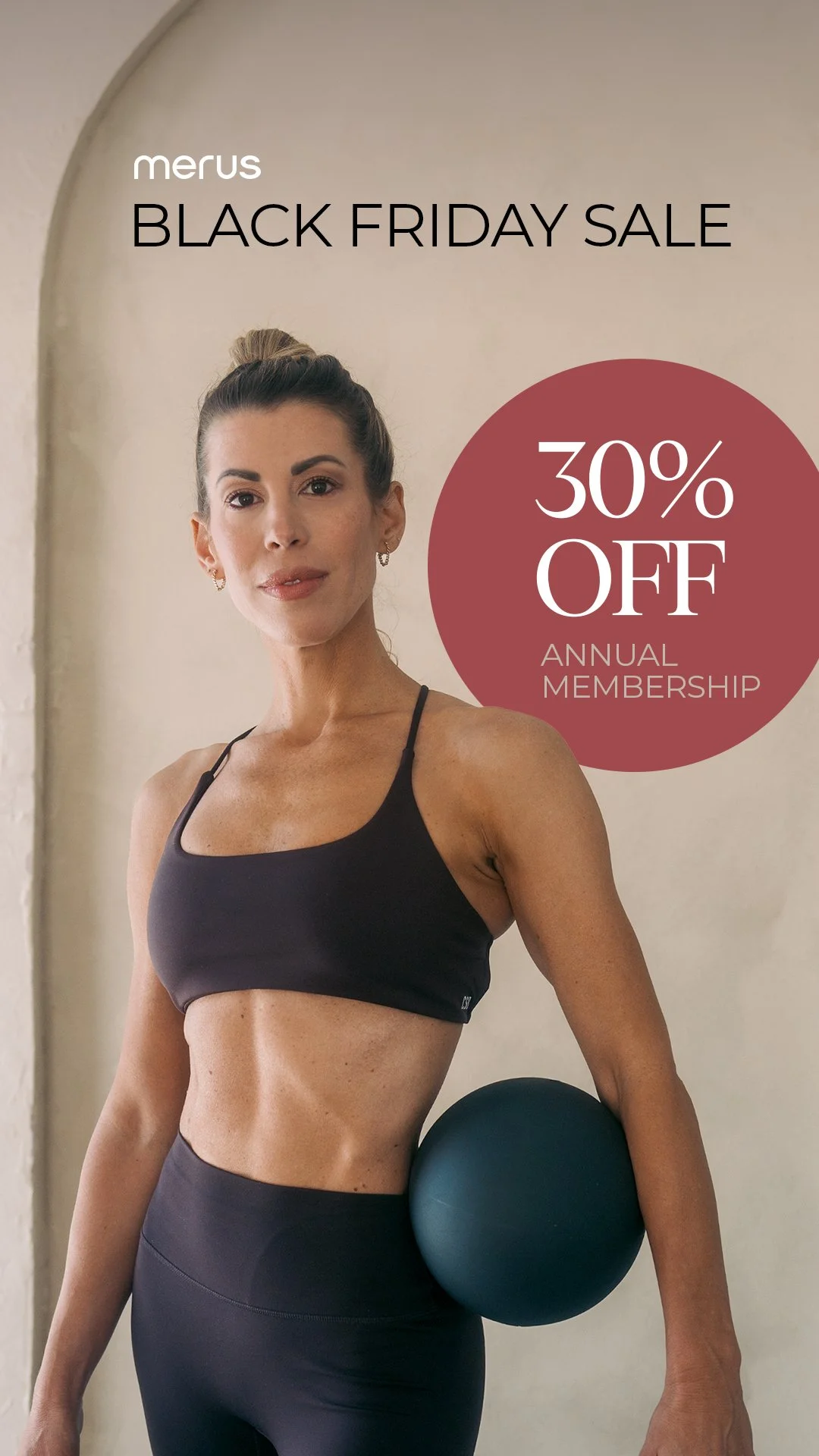
Merus Black Friday: 30% Off Annual Memberships and Gift Cards
Merus Black Friday: 30% off Merus annual memberships and gift cards with code BF30, Friday, November 13 through Sunday, November 29. Strength and Pilates workouts you can do anywhere, from Pilates educator Andrea Speir.
Why Your Workout Needs to Change in Your 40s
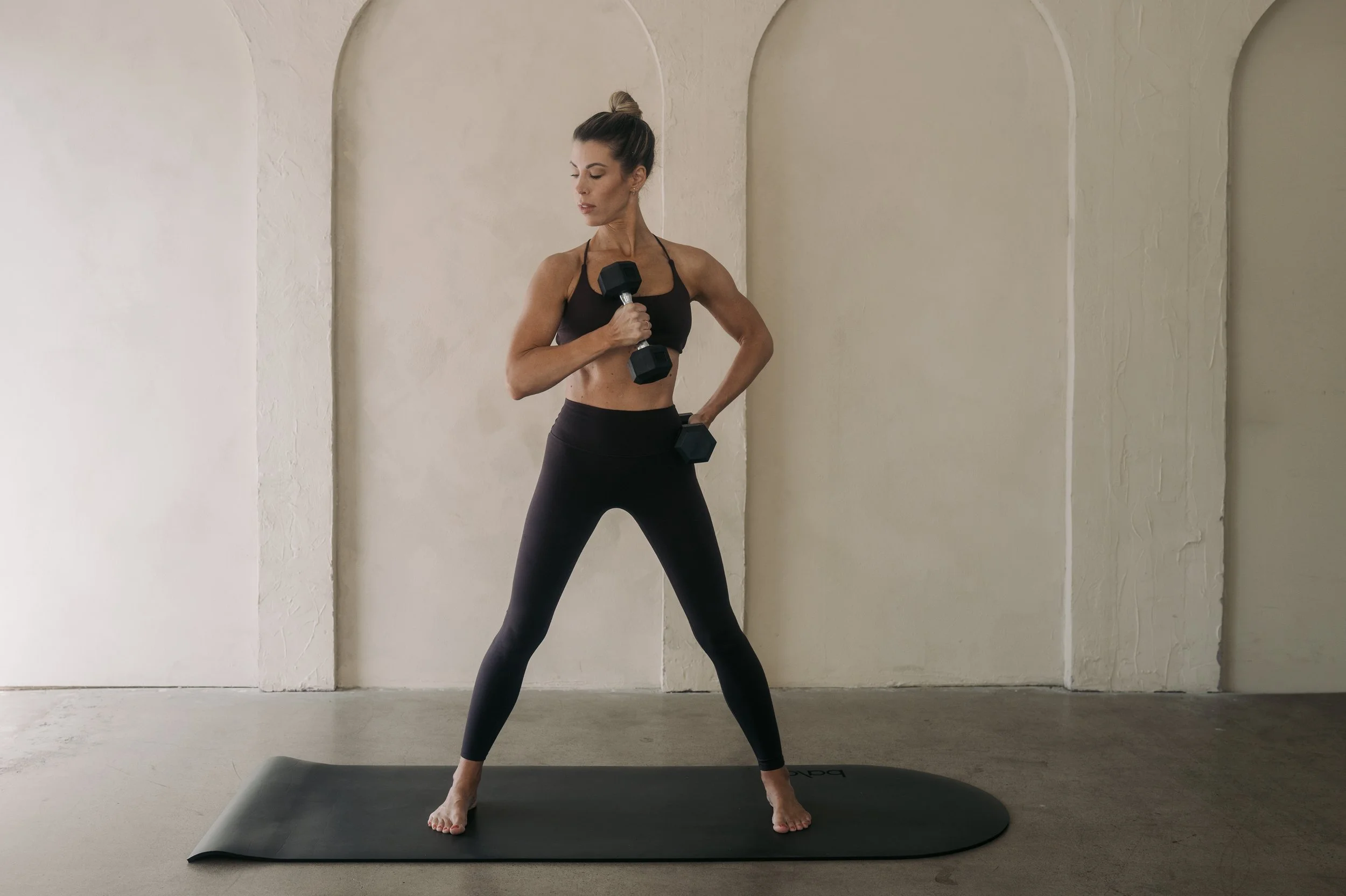
Your workout needs to change in your 40s because your body's priorities change. Hormonal shifts through perimenopause affect how you build muscle, recover from training, and maintain bone density. That means the high-volume, high-intensity approach that worked in your 20s and 30s often stops delivering the same results, and can even work against you if recovery isn't part of the plan.
Strength Training and Bone Density After 40
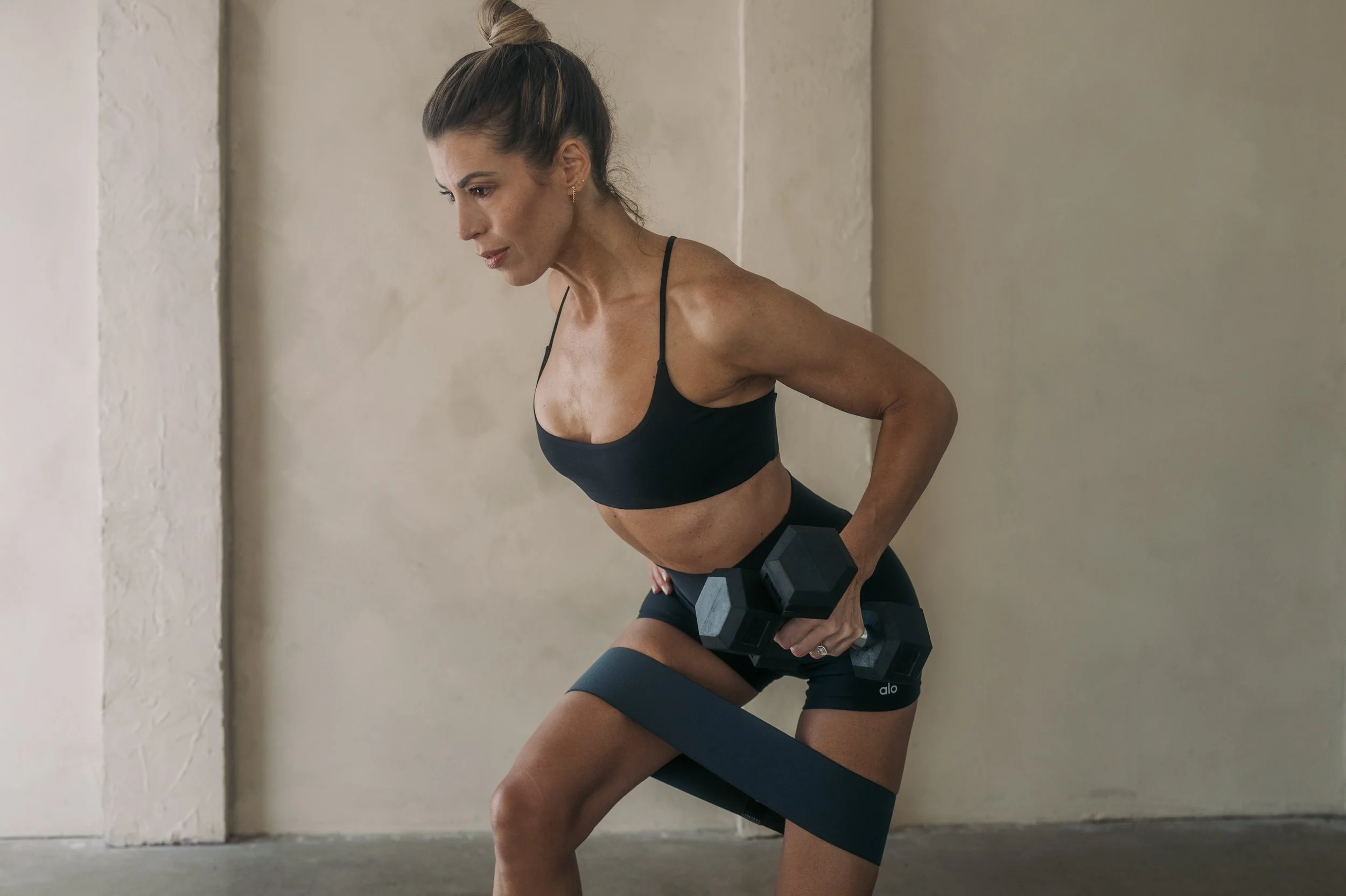
Strength training is one of the most effective ways to protect bone density after 40. As estrogen declines through perimenopause and menopause, the body's bone remodeling process shifts toward more bone being broken down than rebuilt. Resistance training places real mechanical load on your muscles and skeleton, which signals your body to maintain bone, and in some cases rebuild it, especially in the hips and spine.
What Does Classically Certified Actually Mean? A Pilates Instructor Explains
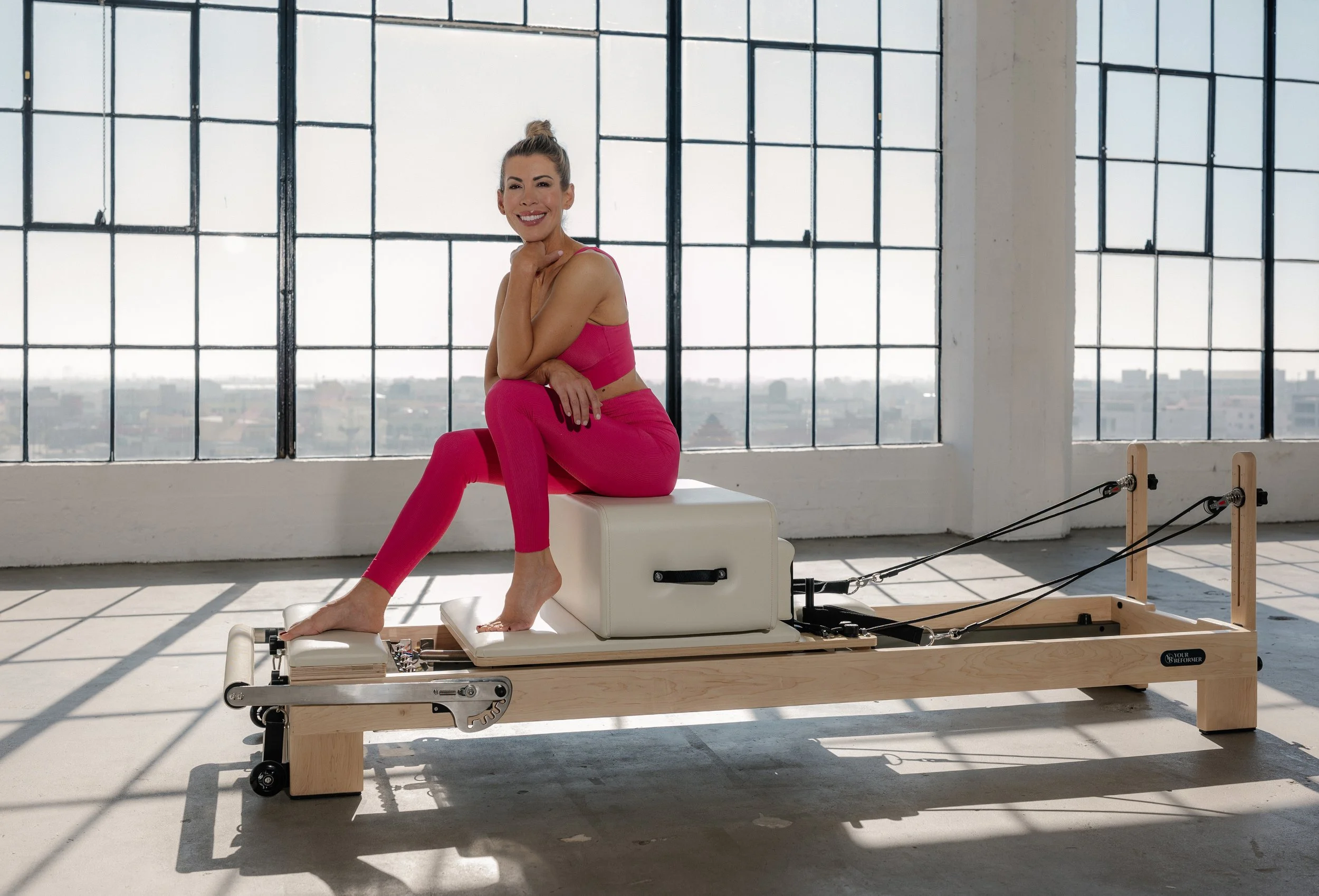
A classically certified Pilates instructor has completed extensive training, often 600 hours or more, in the original method developed by Joseph Pilates. That training covers mat work, every major piece of apparatus (the reformer, cadillac, and chair), anatomy, and supervised hands-on teaching. It's a much deeper credential than a weekend certification, and it's worth understanding the difference before you choose who you learn from.
Strength Training vs. Pilates: Why You Don't Have to Choose
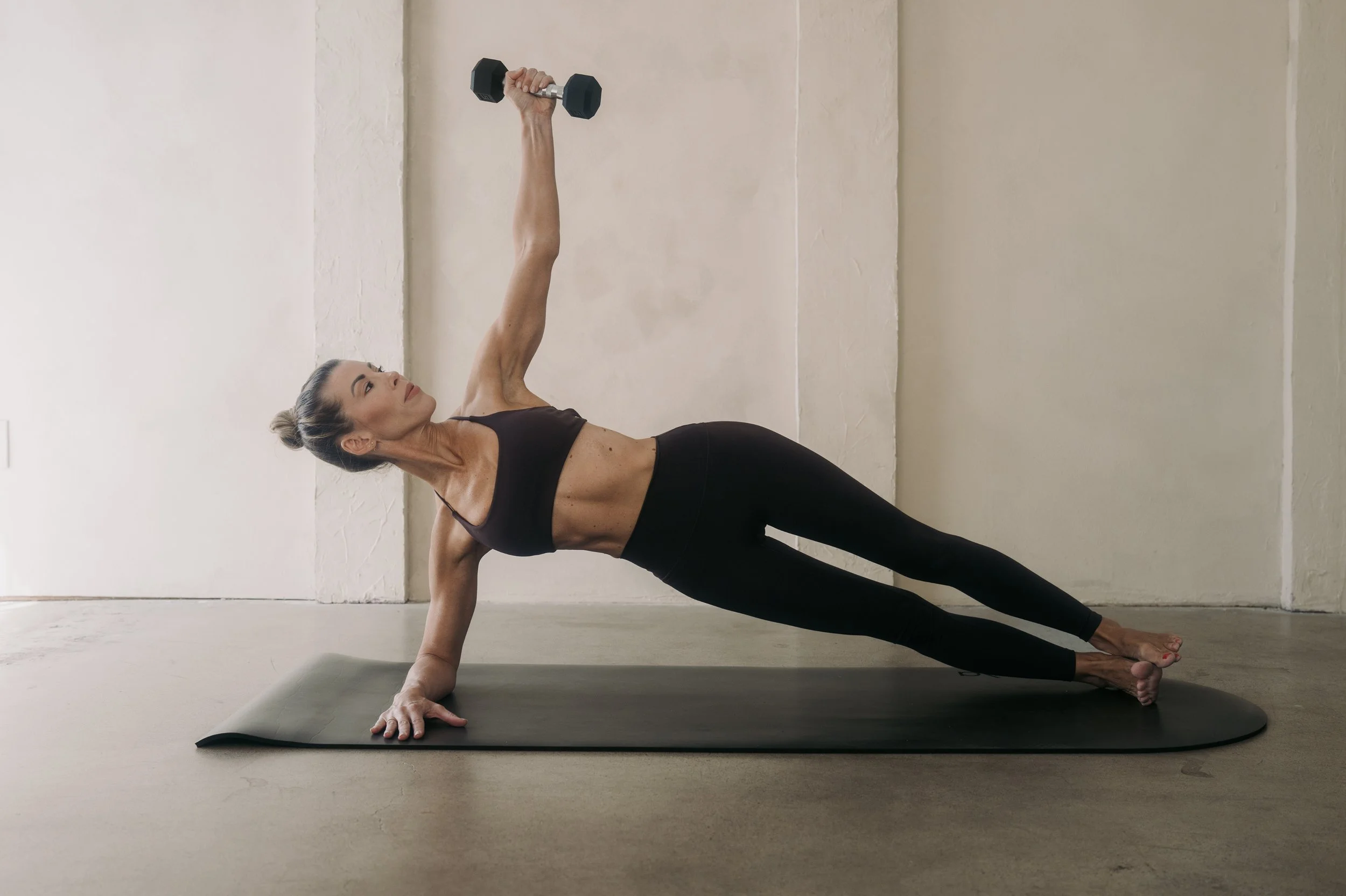
You don't have to choose between strength training and Pilates, and choosing one over the other means leaving real benefits on the table. Pilates builds core control, joint stability, and body awareness. Strength training builds the muscle mass and bone density that Pilates alone doesn't fully address. Together, they cover far more ground than either one does on its own.
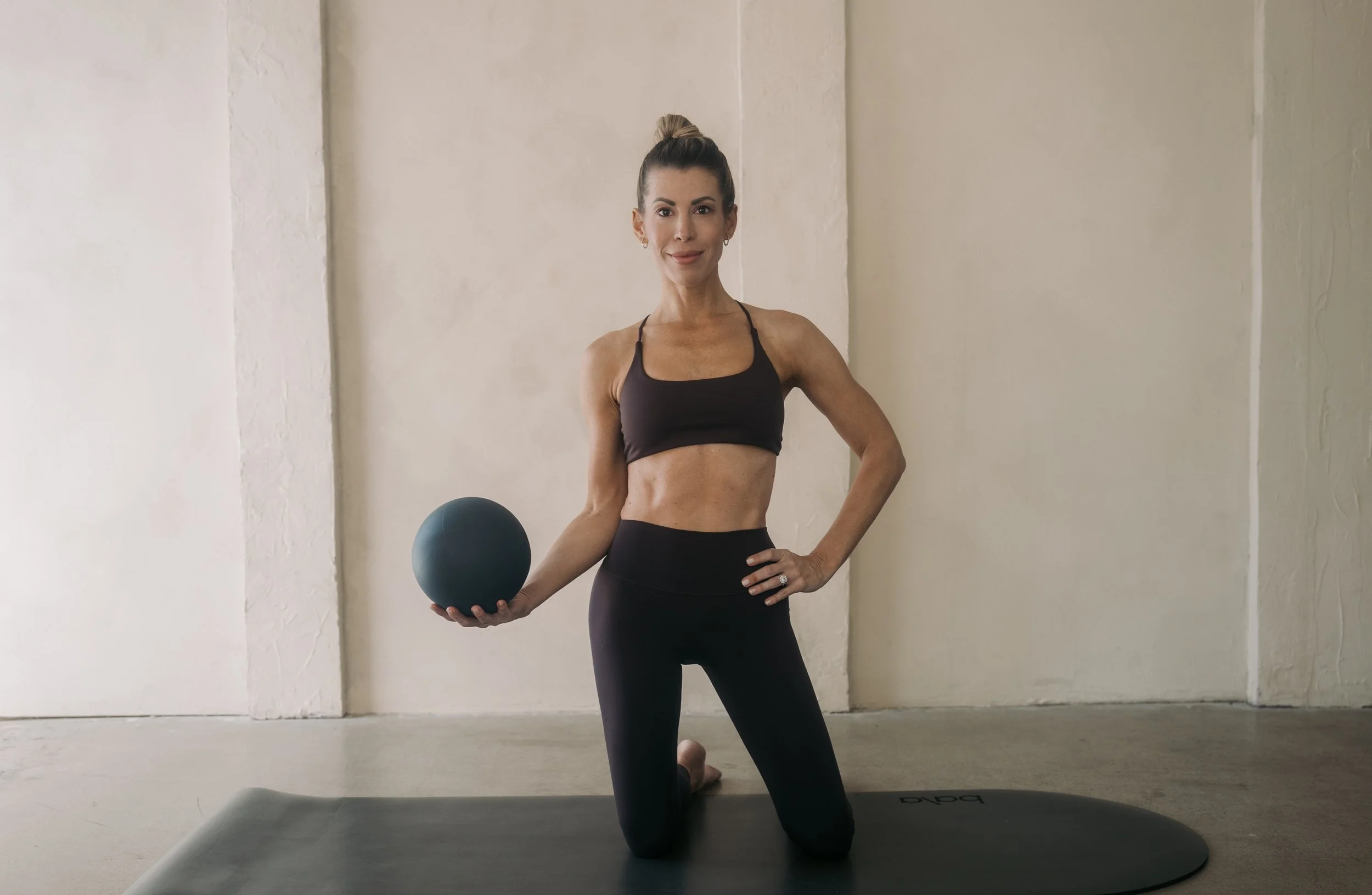
What Does Merus Mean? The Story Behind the Name
Merus is a Latin word meaning pure, unmixed, or undiluted. It was traditionally used to describe wine without water added, something in its most honest, unaltered form. I named my app Merus because that's exactly what I wanted it to be: strength and Pilates training with nothing extra added. No gimmicks, no filler, just what actually works.
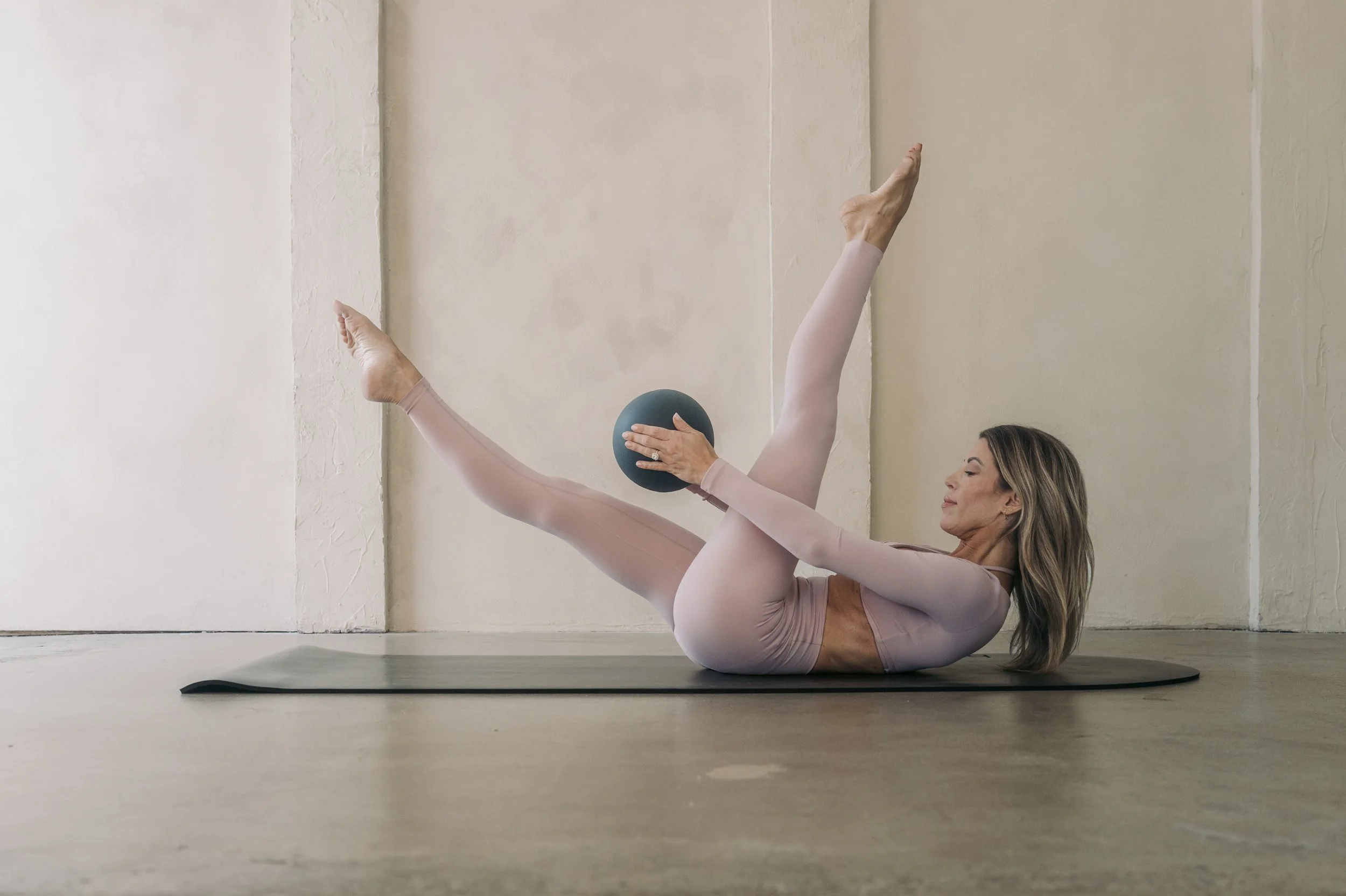
Is Pilates Good for Perimenopause? What the Research and 20 Years of Teaching Say
Yes, Pilates is good for perimenopause, but it isn't the whole answer on its own. Pilates builds the core stability, balance, and joint control that matter more and more as you move through your 40s and 50s. Paired with strength training, which protects bone density and muscle mass as estrogen declines, it's one of the most complete ways to train for this stage of life.